
Bicolano food is often introduced through its heat, but chilli is only one part of the story. The cooking of the Bicol Region is also known for coconut, careful seasoning and dishes that reward patience. A good first lesson is not simply to make food spicy. It is to build a savoury base, cook coconut milk correctly, then add enough chilli to keep the dish lively without hiding its other flavours.
The flavour foundation
Many Bicolano dishes begin with aromatics such as garlic, onion and ginger. Coconut milk gives the sauce body and a gentle sweetness. Bagoong—fermented shrimp paste or fish paste, depending on the dish—adds salinity and depth. Chilli brings warmth. These ingredients work as a group, so taste the sauce after each one has had time to cook.
Season in stages. Add a modest amount of bagoong or salt early, simmer, taste again near the end, then make the final adjustment. Coconut milk reduces as it cooks, so a sauce that tastes lightly seasoned at first can become saltier later.
A small Bicolano starter pantry
- Coconut milk: your everyday liquid for simmering. Shake the can before opening unless the recipe asks you to separate the cream.
- Coconut cream: thicker and richer; useful for finishing a sauce or when you want a fuller texture.
- Bagoong alamang: fermented shrimp paste. Begin with less than the recipe maximum and check whether your brand is already sweetened or sautéed.
- Fresh chillies: long green chillies give aroma and moderate warmth; small hot chillies deliver a sharper heat.
- Dried taro leaves: the base of laing. Asian and Filipino grocers often carry them when fresh leaves are unavailable.
- Ginger, garlic and onion: the aromatic backbone that keeps rich coconut sauces balanced.
If you are cooking outside the Philippines, use the substitution notes in each recipe rather than replacing several core ingredients at once. One thoughtful swap is easier to balance than three.
Three techniques that matter
1. Let coconut milk simmer gently
Once coconut milk is in the pot, keep the heat at a steady simmer instead of a hard boil. Stir the bottom occasionally with a broad spoon so the sauce does not catch. For laing, avoid aggressive stirring while dried taro leaves are first softening; let them absorb the liquid before folding them through.
2. Control chilli with timing
Whole chillies simmered in the sauce usually give gentler warmth. Sliced chillies release more heat, while crushed hot chillies act quickly. Start with whole or partly split chillies, taste, then add more near the end. This makes the result easier to share at a family table.
3. Reduce before the final seasoning
A coconut sauce may look thin halfway through cooking. Give it time. As water evaporates, the flavour concentrates and oil may begin to appear at the surface. Only then decide whether it needs more salt, bagoong, pepper or chilli.
Five Bicolano dishes to try
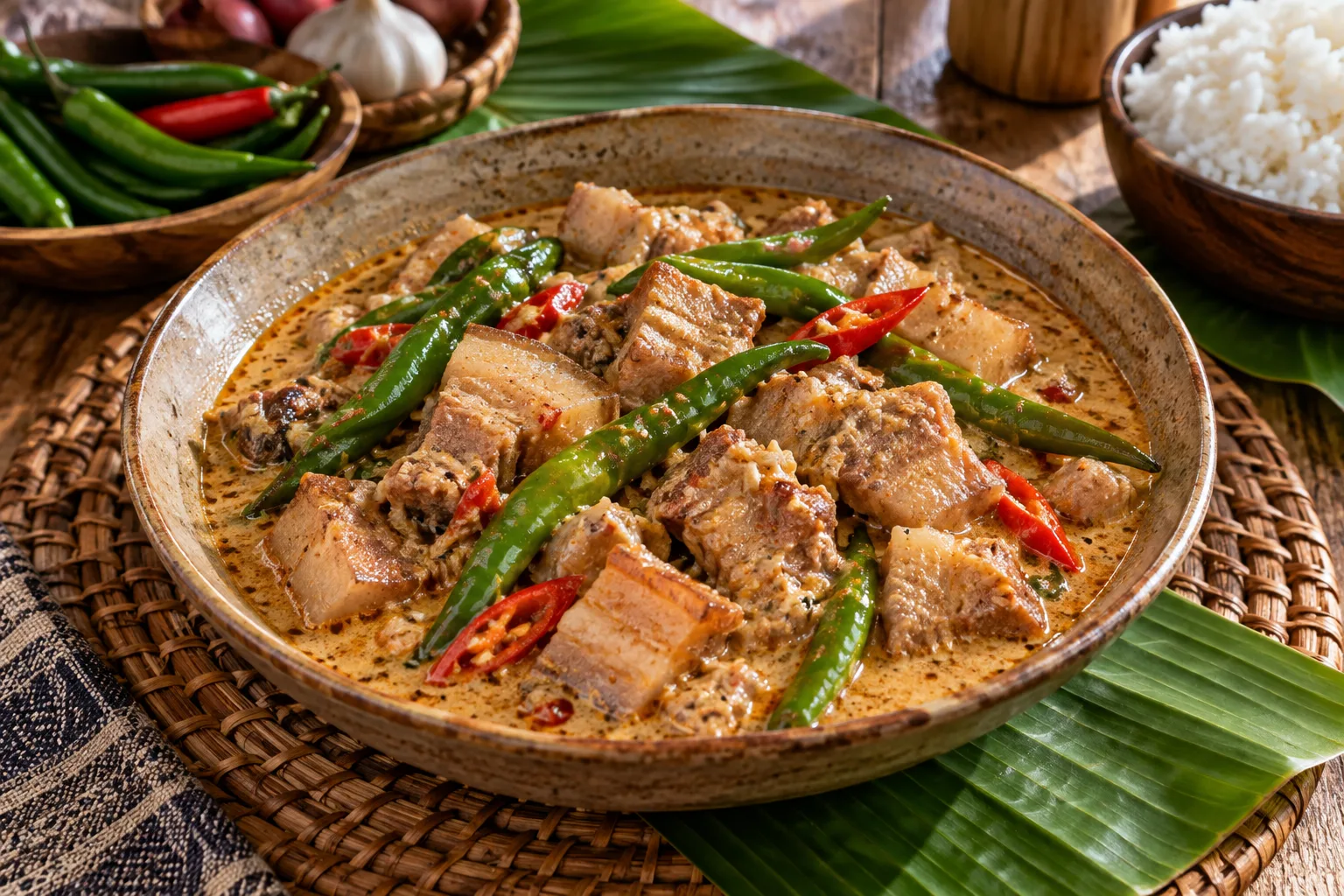 Bicol ExpressCreamy, savoury and lively with chilli.
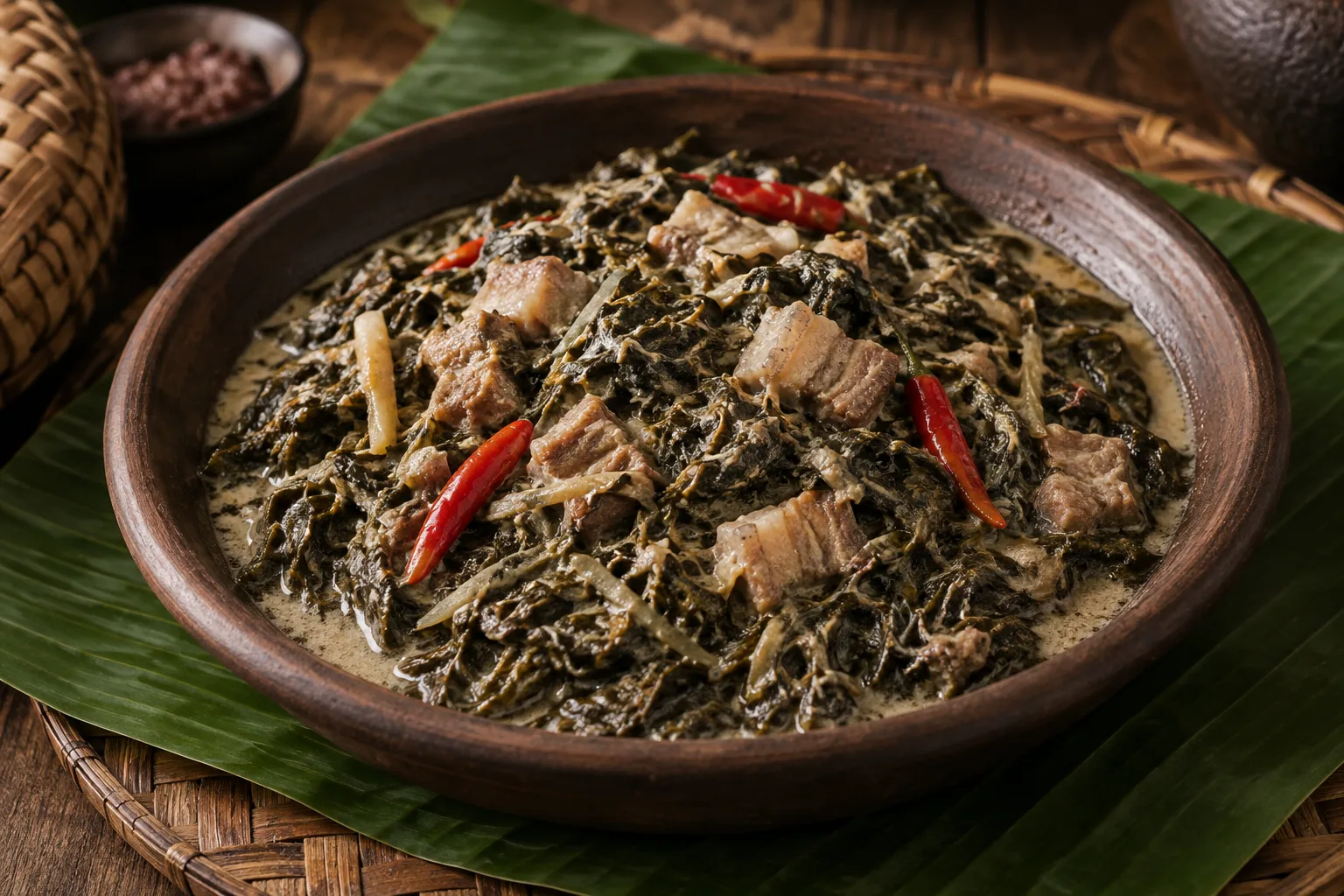 LaingTaro leaves slowly cooked in seasoned coconut milk.
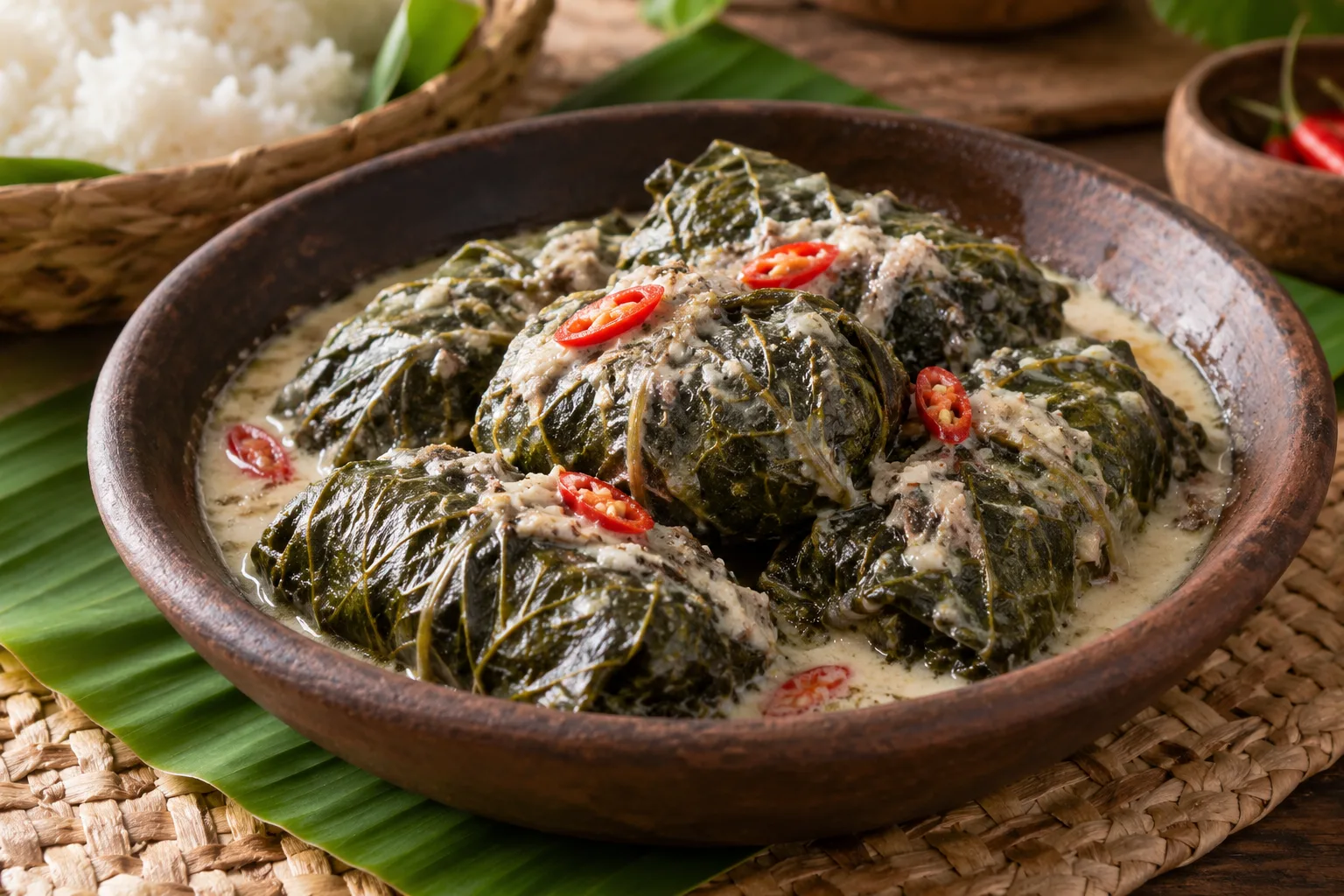 Pinangat na GabiTaro leaves wrapped around a rich coconut filling.
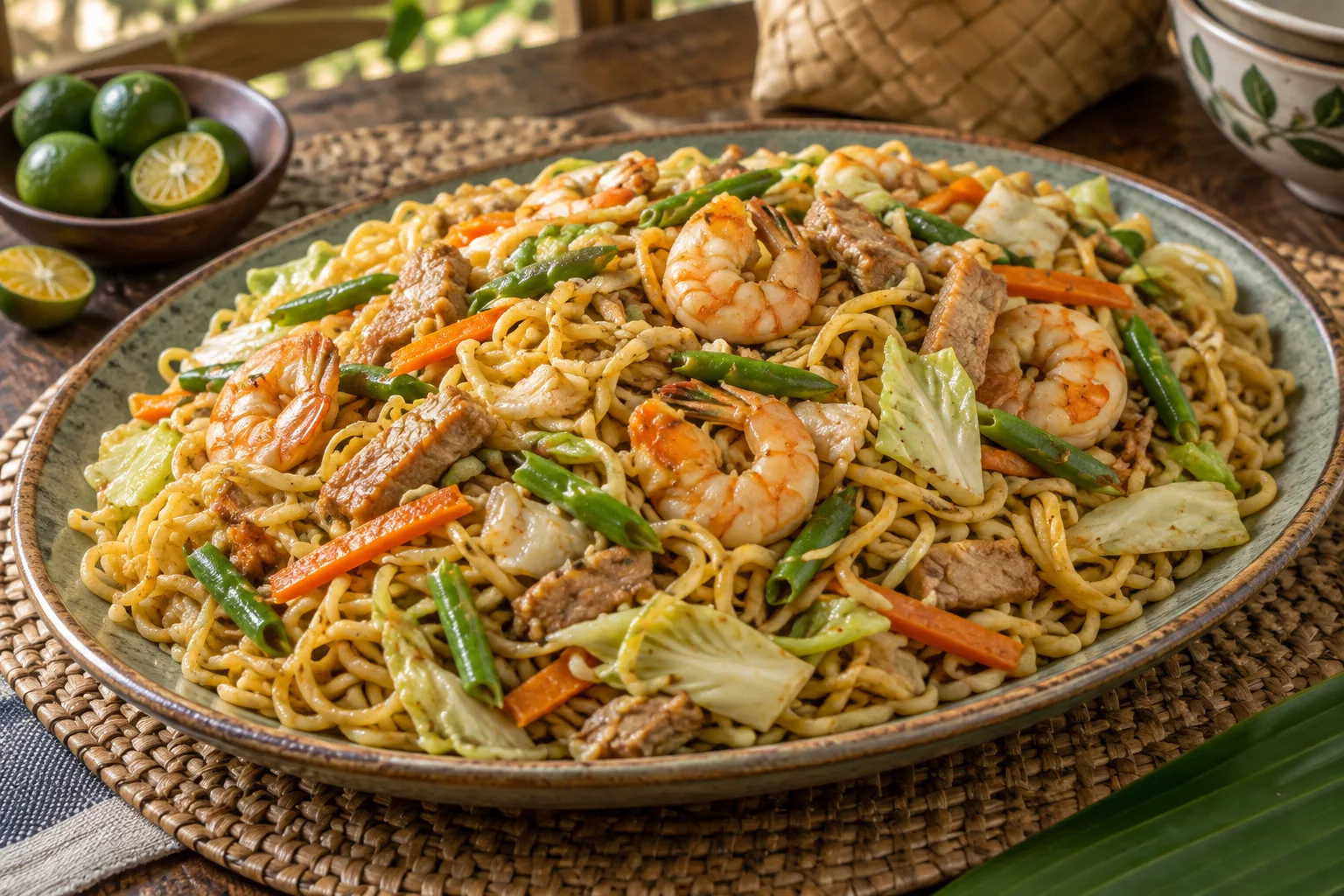 Pancit BatoA sturdy noodle dish associated with Camarines Sur.
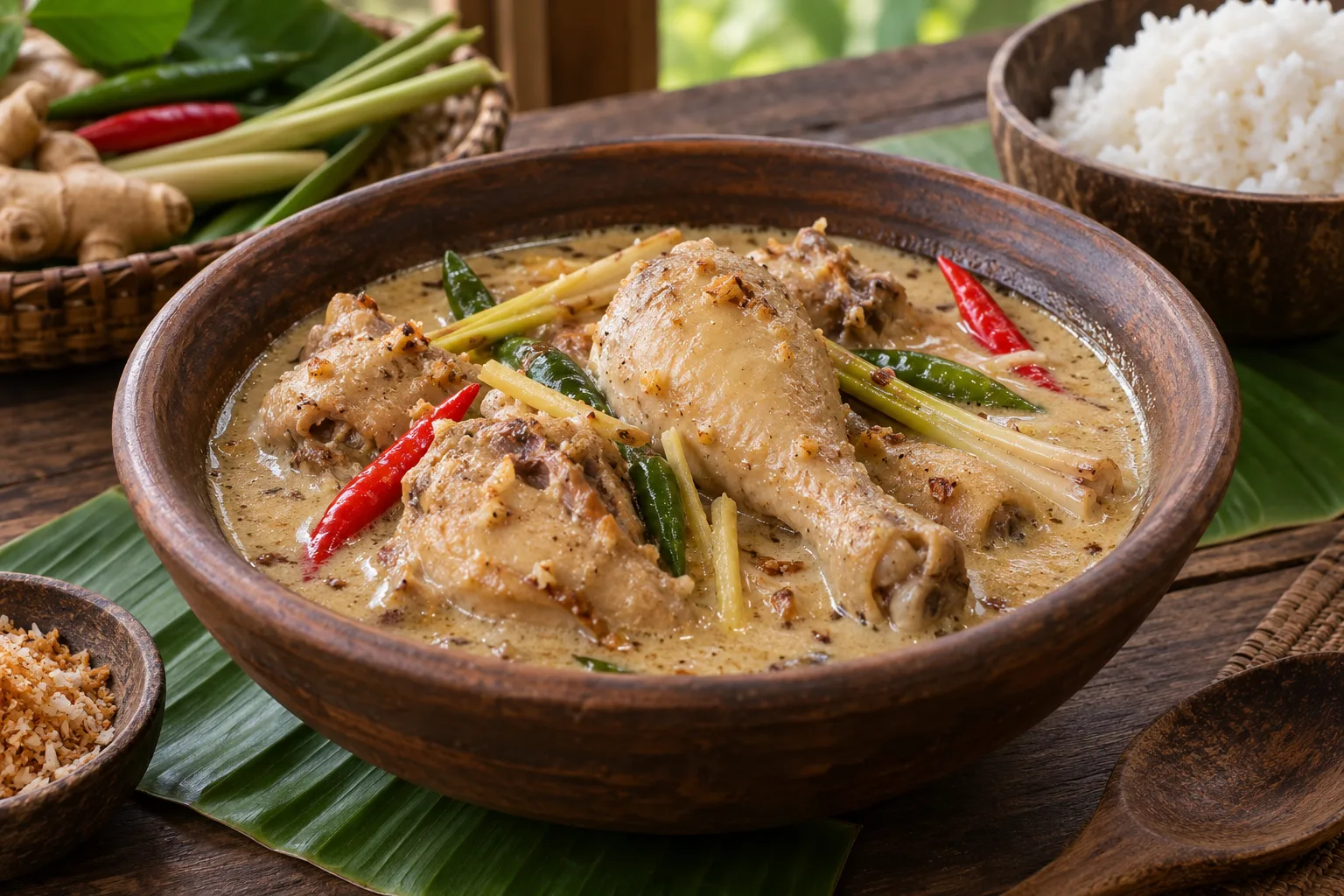 Tinutungang ManokChicken enriched with deeply toasted coconut milk.
A sensible order for a beginner
Start with Bicol Express to practise sautéing aromatics, browning pork and reducing coconut milk. Move to laing when you are comfortable judging a thickening sauce. Try Pancit Bato for a different texture and a faster cooking rhythm. Pinangat and tinutungang manok can follow once you are ready for wrapping leaves or toasting coconut more deeply.
Common mistakes—and the fix
- Adding all the salt or bagoong at once
- Add part of it, simmer, and finish to taste after the sauce reduces.
- Using high heat to hurry coconut milk
- Lower the heat and allow a steady simmer; scrape the base of the pot periodically.
- Making the chilli level impossible to adjust
- Begin with whole chillies and serve extra sliced chilli separately.
- Stopping while the sauce is still watery
- Continue uncovered at a gentle simmer, watching closely as it thickens.
- Skipping preparation
- Measure the seasonings and slice the aromatics before heating the pan. Coconut-based dishes become much easier when everything is within reach.
Bring Bicol to your table.
Browse our free Bicolano recipes, or preview the designed Taste of Bicol printable collection.